

Lohen De-Coke Service For N47 MINI Cooper SD Models
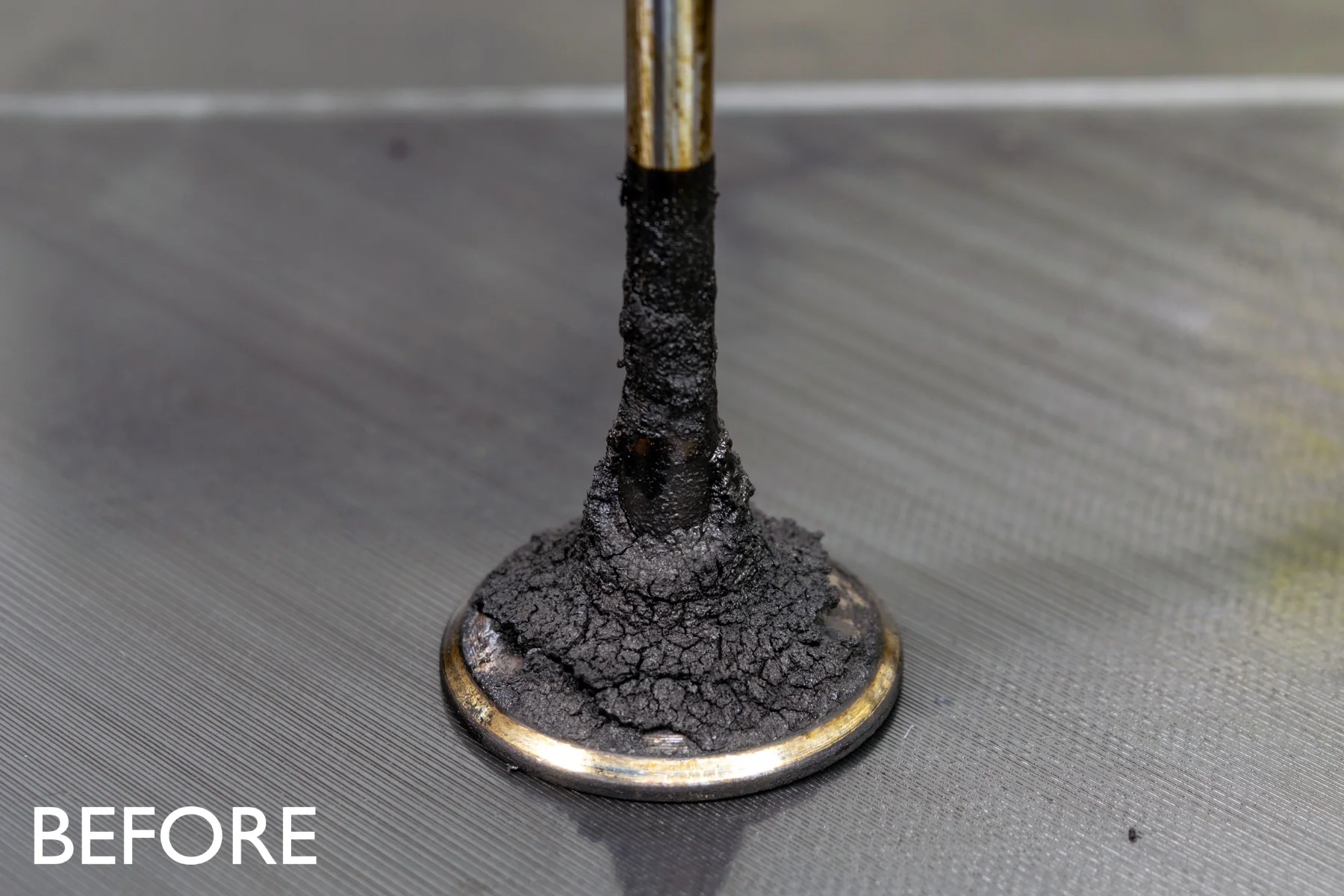
Diesel engines produce power by burning fuel, this creates a carbon build up that is deposited on some of the components inside the engine.
Cars affected by this type of carbon build-up are those with any kind of direct injection (and especially if the car is turbocharged). The cars mainly affected by this build-up are those with a diesel engine as the fuel itself doesn't burn as clearly. Exhaust gases are fed back into the combustion chamber and burned again. It is this movement of the gases that result in the build-up of carbon in the engine.
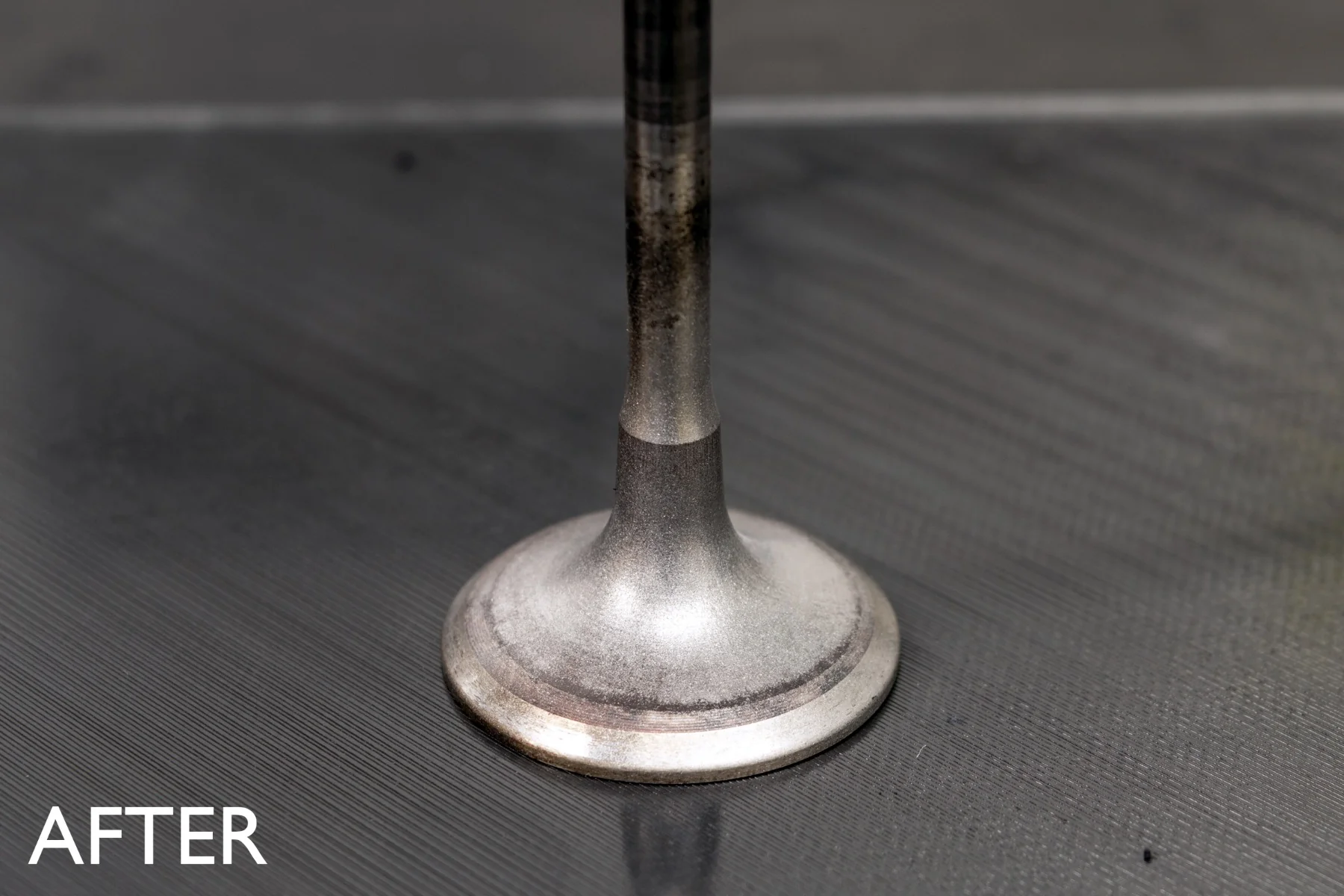
Driving characteristics can also have a big effect on carbon build-up, lots of short start-stop journeys can create more vapour in the engine and causes the engine to carbon up quicker. The removal of carbon deposits from the inlet valves helps the engine move air into the chambers without obstruction.
Symptoms that your MINI Cooper SD might have excessive carbon build-up can be a lack of power, lumpy idle and poor mpg. This is because the carbon restricts air from getting into the engine and disturbs the way it flows into the engine which both affect how well the combustion process occurs. We suggest that you get a de-coke every 60,000 to 70,000 miles to keep your MINI Cooper SD working at its full potential.
We offer a high-quality de-coke service which helps to rectify this problem. Our service uses minutely-crushed walnut shells which are blasted into the intake tract and valves and are vacuumed away with specialist equipment. This walnut blasting system has been proven to be safe and effective.
If you are unsure whether or not your MINI needs our de-coke service. then you can check out our DE-COKE BLOG POST!
Original: $457.28
-65%$457.28
$160.05Product Information
Product Information
Shipping & Returns
Shipping & Returns
Description
Diesel engines produce power by burning fuel, this creates a carbon build up that is deposited on some of the components inside the engine.
Cars affected by this type of carbon build-up are those with any kind of direct injection (and especially if the car is turbocharged). The cars mainly affected by this build-up are those with a diesel engine as the fuel itself doesn't burn as clearly. Exhaust gases are fed back into the combustion chamber and burned again. It is this movement of the gases that result in the build-up of carbon in the engine.
Driving characteristics can also have a big effect on carbon build-up, lots of short start-stop journeys can create more vapour in the engine and causes the engine to carbon up quicker. The removal of carbon deposits from the inlet valves helps the engine move air into the chambers without obstruction.
Symptoms that your MINI Cooper SD might have excessive carbon build-up can be a lack of power, lumpy idle and poor mpg. This is because the carbon restricts air from getting into the engine and disturbs the way it flows into the engine which both affect how well the combustion process occurs. We suggest that you get a de-coke every 60,000 to 70,000 miles to keep your MINI Cooper SD working at its full potential.
We offer a high-quality de-coke service which helps to rectify this problem. Our service uses minutely-crushed walnut shells which are blasted into the intake tract and valves and are vacuumed away with specialist equipment. This walnut blasting system has been proven to be safe and effective.
If you are unsure whether or not your MINI needs our de-coke service. then you can check out our DE-COKE BLOG POST!